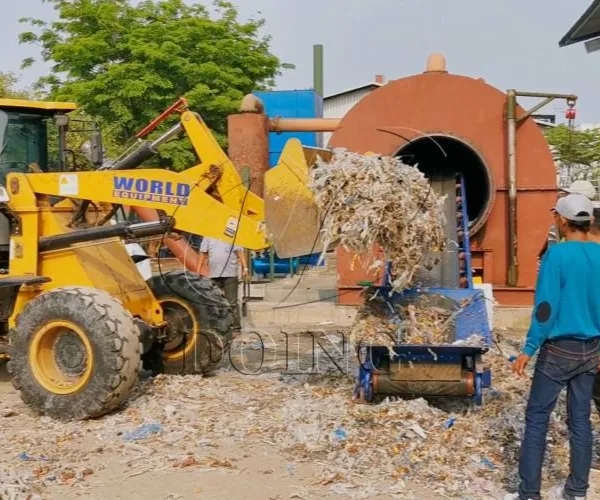
 Business License

Understanding Waste Disposal: Incineration vs Pyrolysis
Effective waste management is a pressing global issue. Incineration, or traditional waste burning, has been a common approach but is associated with considerable environmental and economic downsides. Meanwhile, pyrolysis has surfaced as a promising technology, providing a more sustainable and economically advantageous alternative. This analysis contrasts these two methods and explains the superior value of pyrolysis for recycling waste.
Core Principles and Mechanisms
Incineration:
This process combusts organic matter at elevated temperatures with ample oxygen. Its main objective is to reduce waste volume, and it can sometimes produce energy by converting heat into electricity. A significant drawback is the generation of harmful emissions, including dioxins and airborne particles.
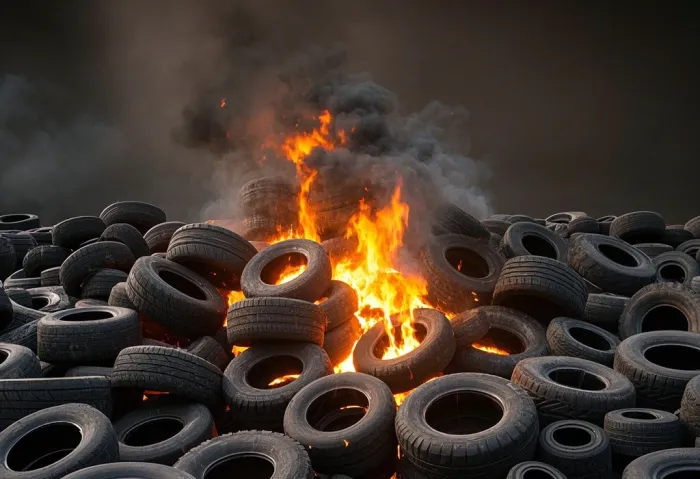
Waste tire incineration
Pyrolysis:
Pyrolysis is a thermochemical decomposition that occurs in an oxygen-starved environment. By heating materials to temperatures near 300°C, it transforms waste into useful commodities like pyrolysis oil, carbon black, and synthetic gas. The focus is on reclaiming resources while keeping emissions low.
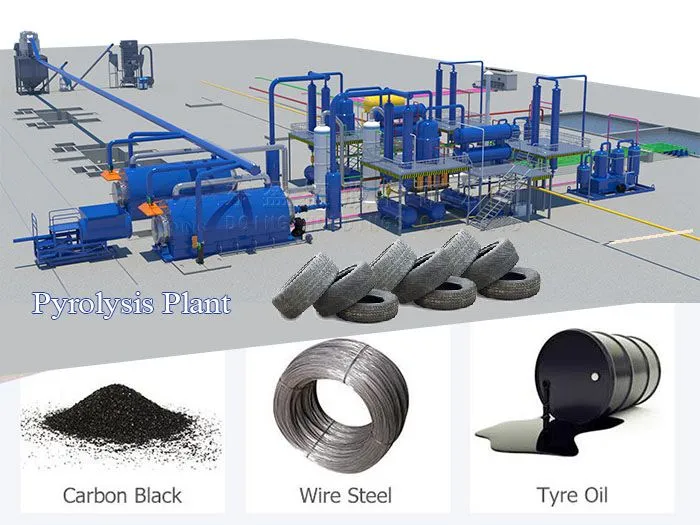
Waste tire pyrolysis to fuel oil
Ecological Consequences
Incineration:
Despite advancements in filtering technology, incinerators continue to emit carbon dioxide (CO₂), nitrogen oxides (NOₓ), and heavy metals. Data from environmental agencies indicates that burning one tonne of waste releases about one tonne of CO₂, worsening air quality and global warming.
Pyrolysis:
The oxygen-free setting of pyrolysis drastically cuts down the release of pollutants. Research indicates that emission levels can be up to 90% lower than those from incineration. Moreover, the gas cleaning technologies in pyrolysis facilities often comply with stringent international environmental regulations.
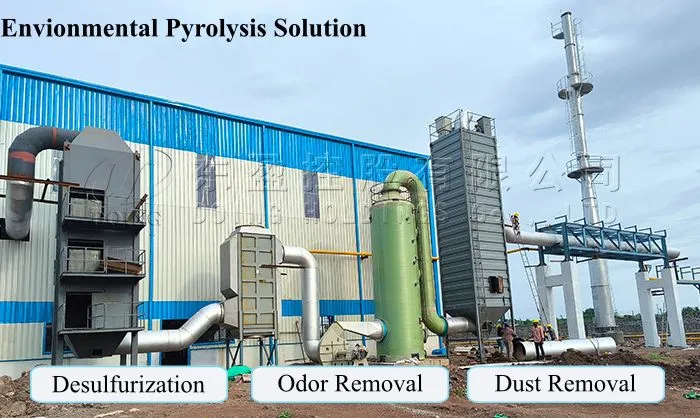
DOING pyrolysis plant environmental protection devices
Financial Implications
Incineration:
Energy generation from incineration is possible, but it demands costly investments in pre-processing waste and controlling emissions. Revenue is largely confined to energy sales, and the resulting ash has little market value.
Pyrolysis:
Pyrolysis creates diverse income sources by yielding high-demand products. The produced oil can power industrial equipment or be upgraded into diesel fuel via distillation units. Recovered carbon black serves as a strengthening filler in tire manufacturing and as a coloring agent in various industries, providing a greener substitute for conventional materials. This model promotes economic viability by turning waste into valuable commodities, thus advancing a circular economic approach.
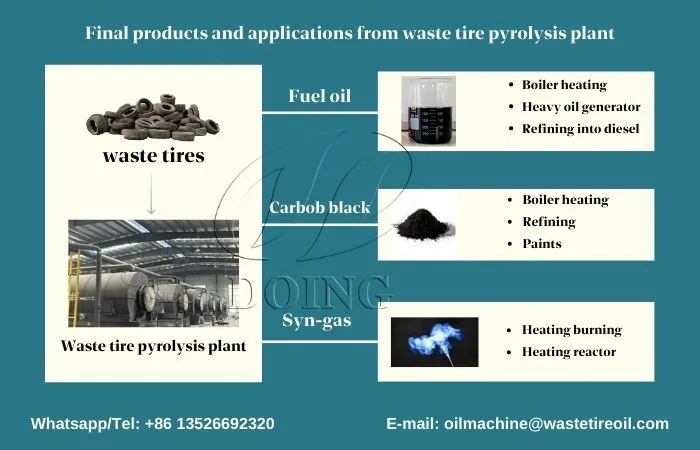
Usages of pyrolysis outputs
Potential for Material Recovery
Incineration:
The main function of incineration is waste reduction, with minimal opportunity for recycling. The process largely turns waste into ash and gases, with few reusable by-products.
Pyrolysis:
Pyrolysis is inherently geared towards material recovery. It is capable of handling diverse waste streams—such as plastics, tires, and oil sludge—and transforming them into marketable goods, consistent with circular economy goals.
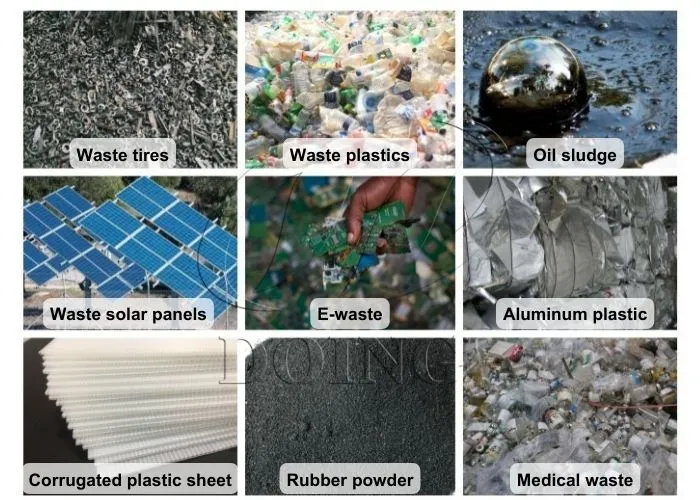
Feedstocks for pyrolysis plant
Global Applications and Shifts
Incineration:
Due to environmental concerns, numerous nations are moving away from incineration. The European Union, for example, enforces tight controls on emissions, raising operational expenses for incinerators.
Pyrolysis:
Pyrolysis is increasingly adopted worldwide. Industry pioneers have implemented sophisticated pyrolysis systems that profitably process waste tires, plastics, and sludge. Successful installations are reported in various countries, including Fiji, Brazil, Vietnam, and India, demonstrating the technology's global applicability.
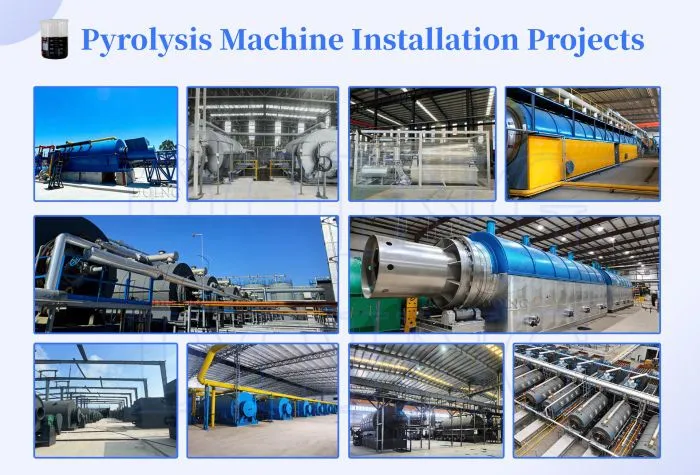
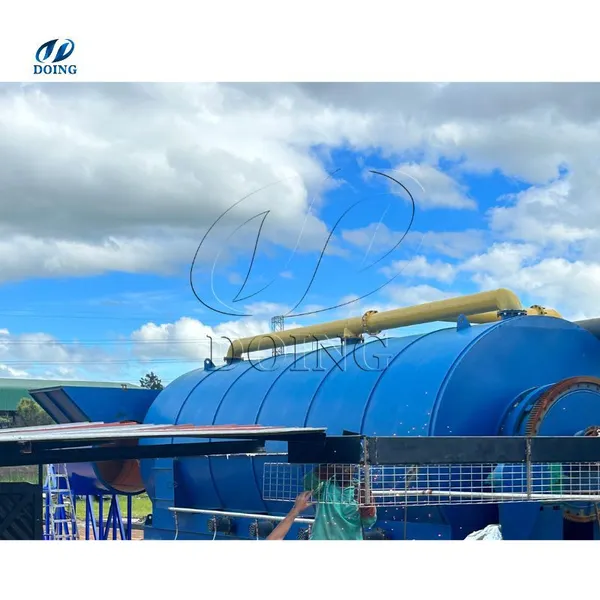
DOING pyrolysis plant projects
In summary, while incineration is still used in waste management, it is an older method with negative ecological effects. Pyrolysis stands out as a cleaner, more cost-effective, and sustainable option. It facilitates the shift towards a circular economy by repurposing waste materials into useful resources.

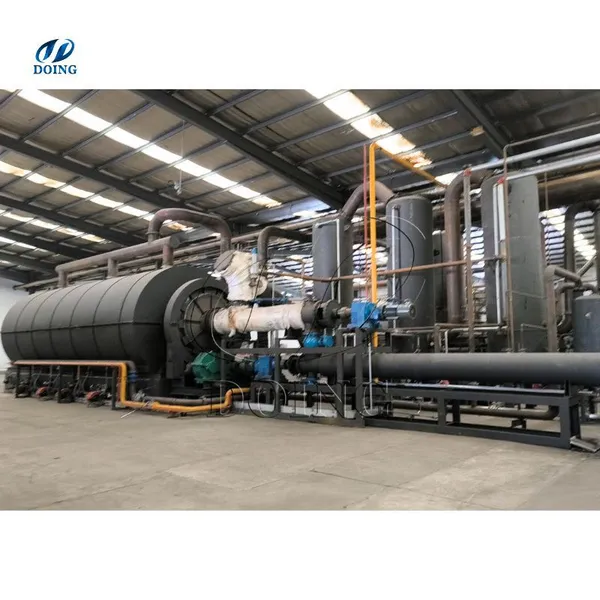
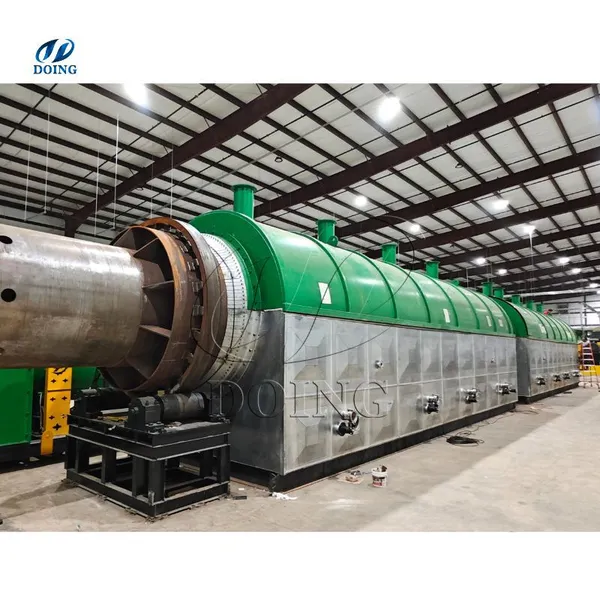
DOING waste pyrolysis plant manufacturer
For those seeking an environmentally sound and financially rewarding waste management strategy, pyrolysis technology is a compelling choice. Get in touch with specialized providers to discover more about modern pyrolysis systems and their role in meeting recycling objectives.
Recently Posted
-
Which Auxiliary Devices Does a Complete Tyre Pyrolysis Equipment Require?
October 15, 2026A tire pyrolysis equipment centers on a single unit: the reactor. Even so, it cannot operate on its own. Feeding scrap tires in, h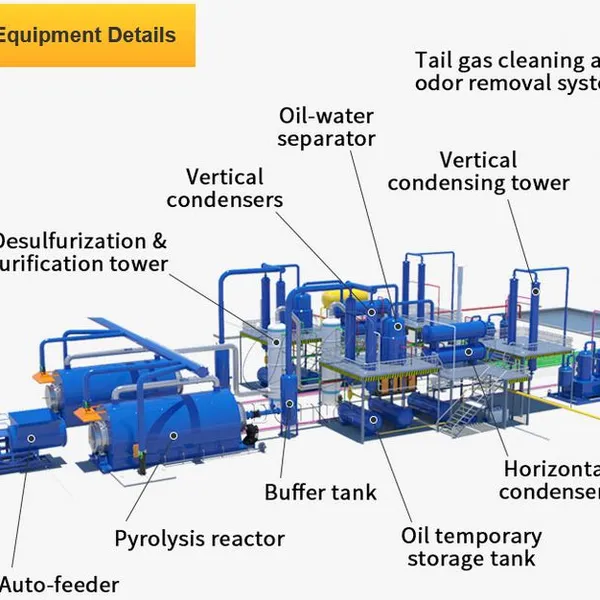 Read More
-
How to Vet a Pyrolysis Plant Manufacturer Before Buying: A 9-Point Verification Checklist
September 20, 2026The moment a deposit is about to change hands, the deciding factor is not which supplier has the slickest website but whether that Read More
-
Waste Tire Pyrolysis Machine Selection Guide: 10–15 TPD vs. 30–50 TPD
September 10, 2026Choosing the right waste tire pyrolysis machine starts with daily processing capacity, but capacity alone is not enough. Feed Read More
-
Insights into Establishing a Tire Pyrolysis Production Line
August 27, 2026The waste tire pyrolysis industry is currently attracting a feverish interest, prompting many individuals to venture into this bur Read More

Contact Us
Recommended Products
-
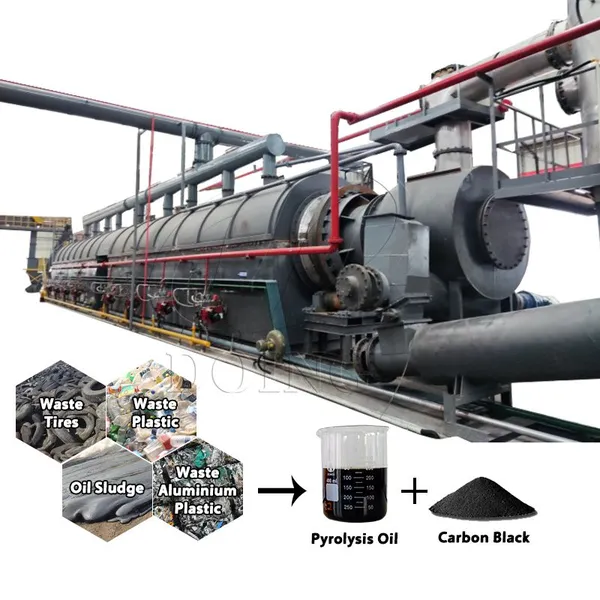
 DOING Newest Technology Continuous Tire Plastic Pyrolysis Machine Automatic Tyre to Fuel Oil Recycling Pyrolysis PlantUS$ 58000 - 78000MOQ: 1 Set
-
Mini to Big Scale Waste Plastic Pyrolysis Machine Recycle Scrap Plastic to Fuel Oil Pyrolysis PlantUS$ 28000 - 98000MOQ: 1 Set
-
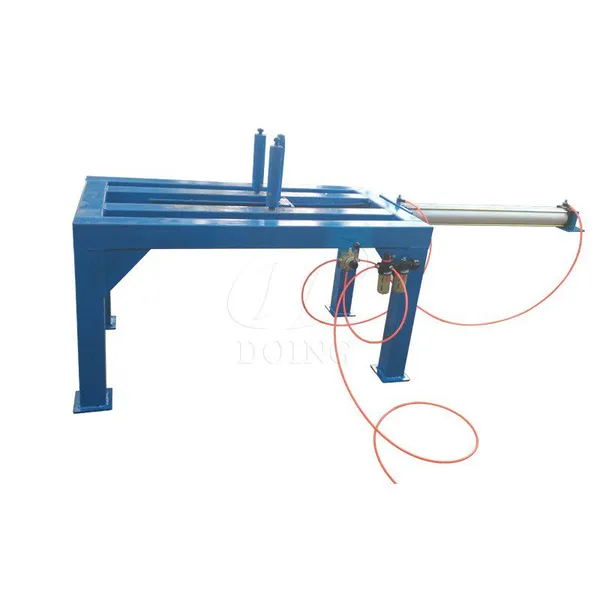
Without Electricity Waste Tire Doubling and Tripling Machine Scrap Tyre Packing Unpacking MachineUS$ 2700 - 3000MOQ: 1 Set
-
BIG Processing Capacity Fully Automatic Waste Tire Plastic Pyrolysis Machine Waste Tyre Recycling PlantUS$ 300000 - 600000MOQ: 1 Set
-
DOING 2026 Waste Plastic to Diesel Recycling Plant Waste Plastic Pyrolysis Plant and Waste Oil Distillation MachineUS$ 38000 - 88000MOQ: 1 Set
-
Overall Services Waste Motor Engine Oil to Diesel Distillation Machine Waste Oil Distillation PlantUS$ 56000 - 105000MOQ: 1 Set
-
Latest Technology Waste Tire Plastic to Fuel Oil Pyrolysis Machine Continuous Plastic Pyrolysis Plant for SaleNegotiableMOQ: 1 Set
-
Fully Automatic Waste Tire Plastic Pyrolysis Plant Continuous Tyre To Fuel Oil Recycling PlantUS$ 300000 - 500000MOQ: 1 Set
-
Mini Scale Waste Tire Plastic Pyrolysis Machine Skid-mounted Tyre Plastic Recycling PlantUS$ 28000 - 58000MOQ: 1 Set
-
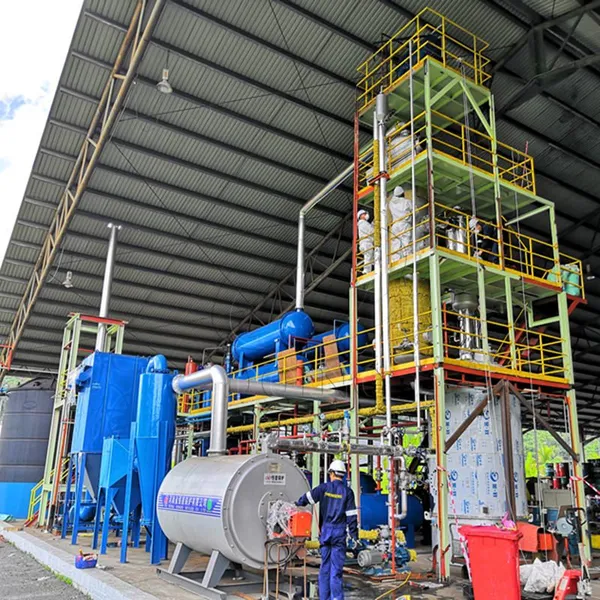
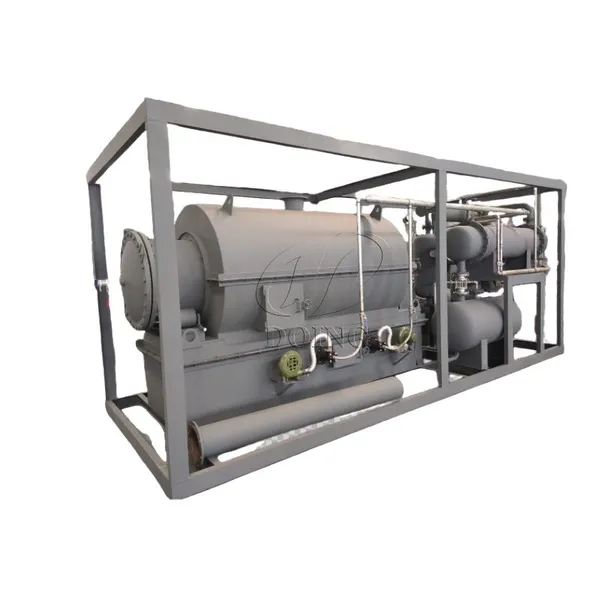
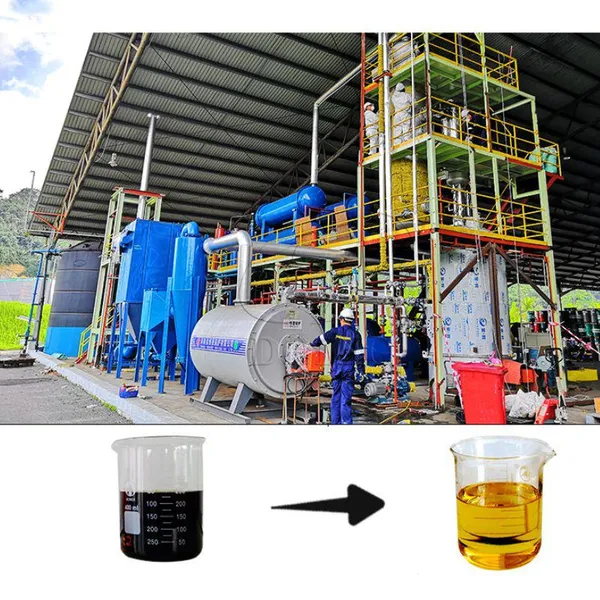
High Recover Rate Waste Oil/crude Oil/pyrolysis Oil to Diesel Distillation Machine for BusinessUS$ 56000 - 65000MOQ: 1 Set
-
Environmentally Friendly Waste Plastic to Fuel Oil Pyrolysis MachineUS$ 28000 - 98000MOQ: 1 Set
-
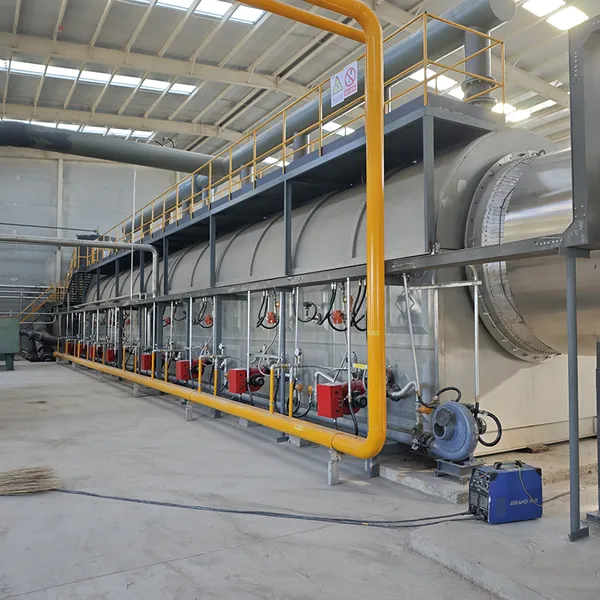
Large Capacity 50TPD Fully Automatic Continuous Waste Tire Plastic Pyrolysis Machine With CE CertificateUS$ 78000 - 208000MOQ: 1 Set
-
Advanced Technology Waste Engine Oil Recycling Diesel Oil Distillation Machine 80%-85% Diesel Rate Vertical Reactor Design PLCUS$ 56000 - 65000MOQ: 1 Set
-
DOING Company Environmental Friendly 100kg-50T/Day Waste Tyre to Fuel Oil Pyrolysis PlantUS$ 25000 - 500000MOQ: 1 Set
-
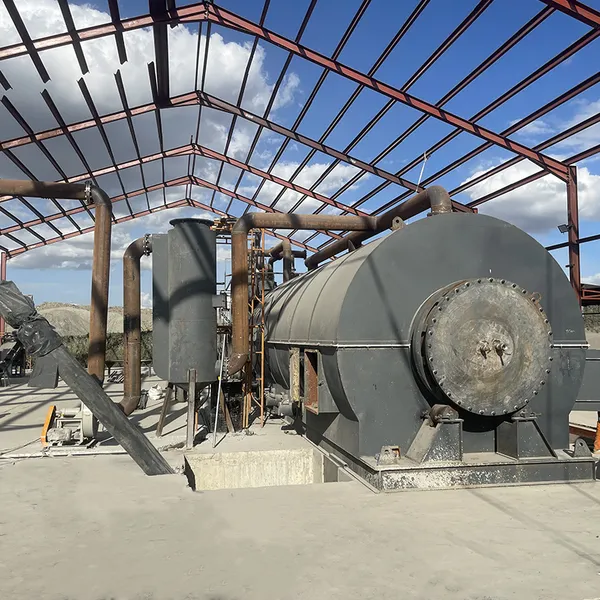
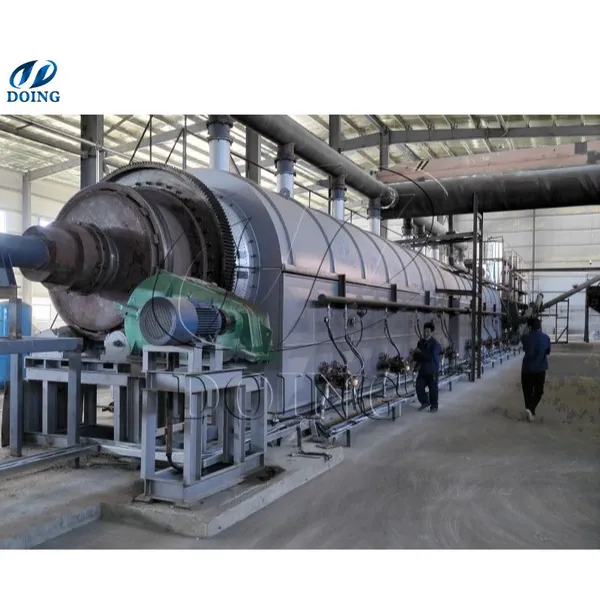
Very Popular With Our Customers Waste Oil Recycling to Diesel Distillation MachineUS$ 56000 - 65000MOQ: 1 Set
-
Sold to Spain High Quality and Environmental Protection Waste Tire Recycling to Oil MachineUS$ 20000 - 76000MOQ: 1 Set
-
Professional Manufacturer to Make Pyrolysis Equipment for Oil Recycling From Waste TiresUS$ 20000 - 76000MOQ: 1 Set
-
Factory Price Full Automatic 10-15 Tons PLC System Used Tire Rubber Pyrolysis Plant for Waste Plastic Recycling Fuel PlantUS$ 50000 - 70000MOQ: 1 Set
-
Fully Automatic Tire to Fuel Plant Plastic Recycling Pyrolysis to Fuel Machine Rubber Pyrolysis MachineryUS$ 50000 - 70000MOQ: 1 Set
-
Newly Technology Used Tyre to to Fuel Oil Machine Waste Plastic Continuous Pyrolysis PlantUS$ 50000 - 70000MOQ: 1 Set