 Business License

What waste can be refined with waste oil distillation device? How about their oil yield?
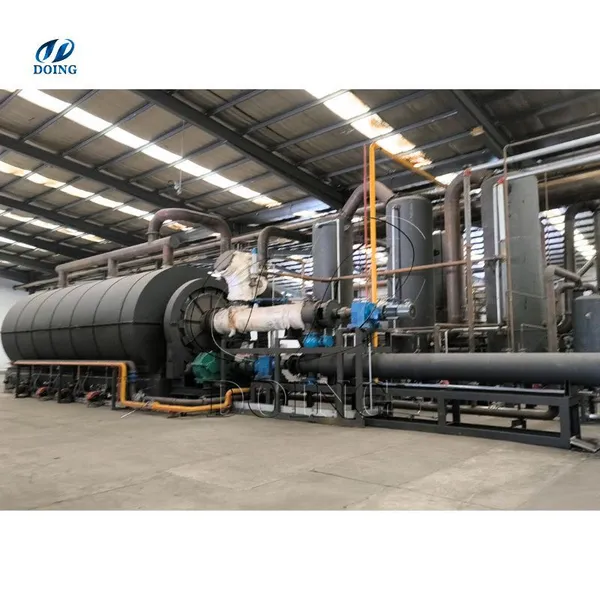
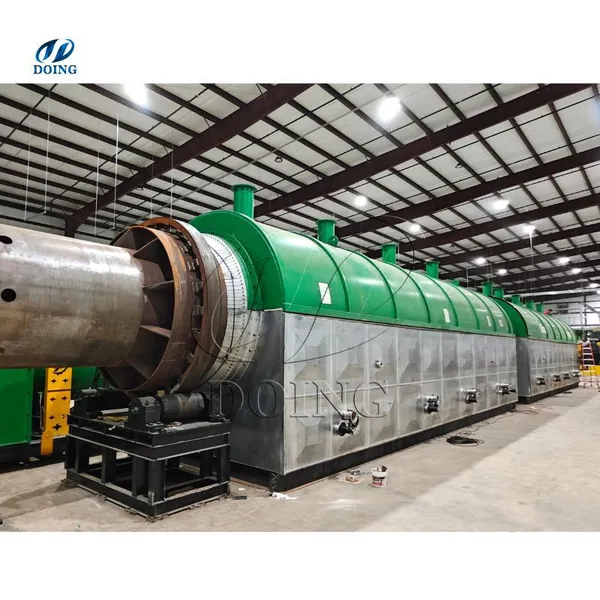
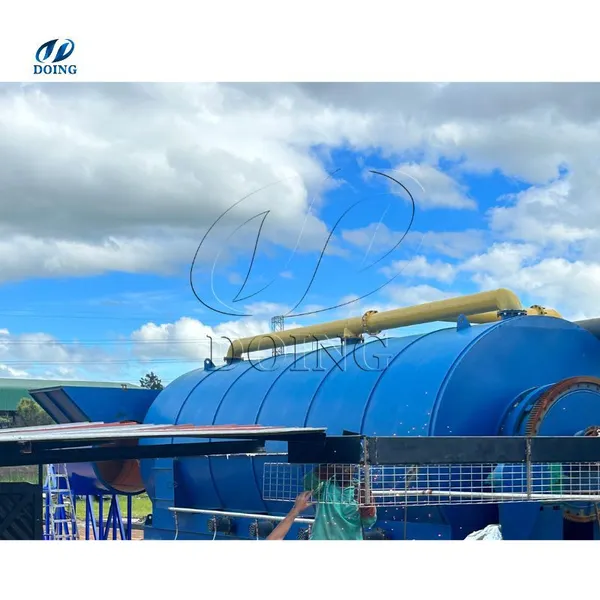
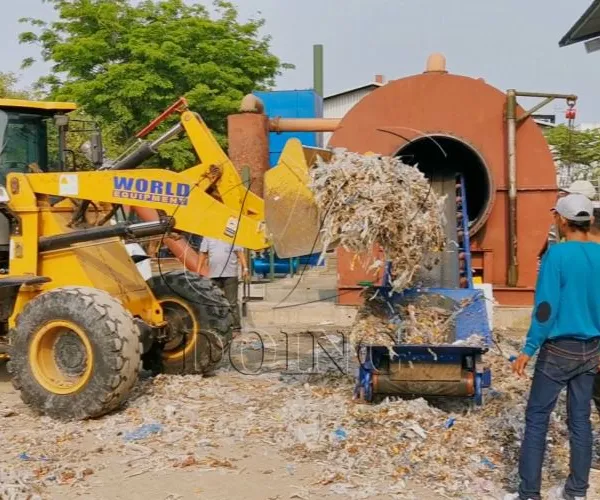
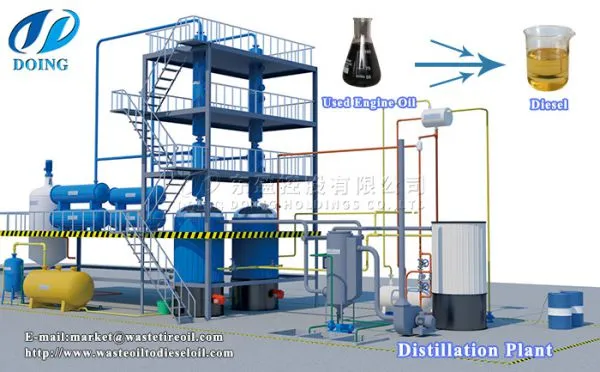
Waste oil distillation represent a critical technology in the management and recycling of various types of waste oils. These facilities transform waste oils into diesel used in heavy machinery, generator, boiler. This article explores the types of waste that can be processed in a waste oil distillation device and their respective oil yield.
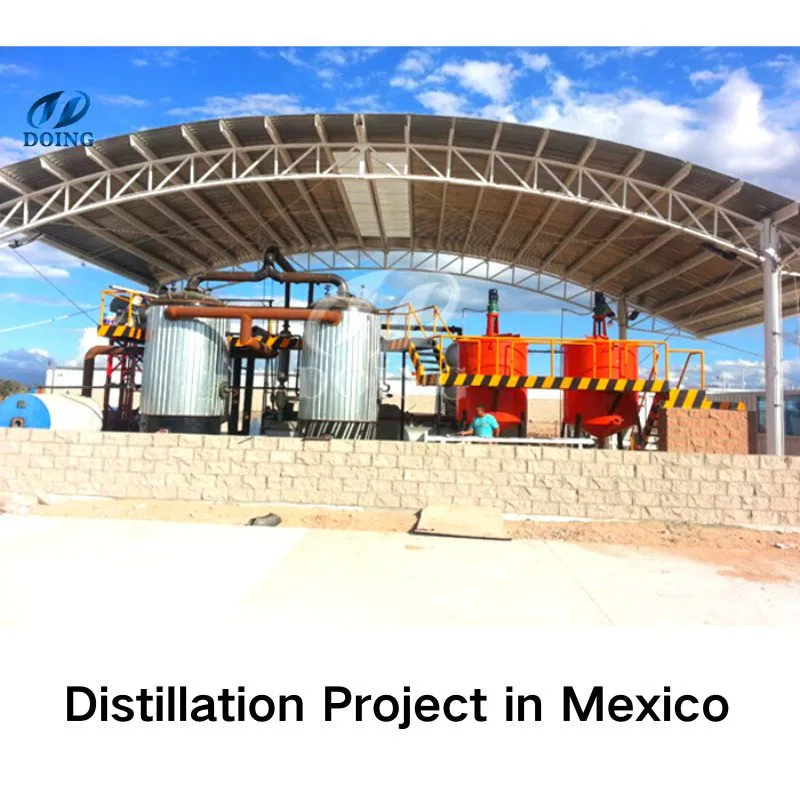
Types of Waste Suitable for Distillation
1. Used Engine Oil: Engine oils that have been drained from vehicles, machinery, and industrial equipment can be refined. These oils often contain impurities due to wear debris, combustion byproducts, and additives.
2. Hydraulic Fluid: Waste hydraulic fluids from machinery and industrial processes can be processed. These fluids, which may contain additives and impurities from their use, can be purified for reuse.
3. Gear Oil: Gear oils from transmissions and mechanical systems can be refined. These oils often contain metal particles and other contaminants that are removed during the distillation process.
4. Coolant Fluids: Waste coolant fluids used in various industrial applications can be refined. These fluids often contain impurities from corrosion and other chemical reactions.
5. Industrial Process Oils: Oils used in various manufacturing processes, such as cutting oils, drawing oils, and metalworking fluids, can be recycled through distillation.
Oil Yield from Waste Oil Distillation
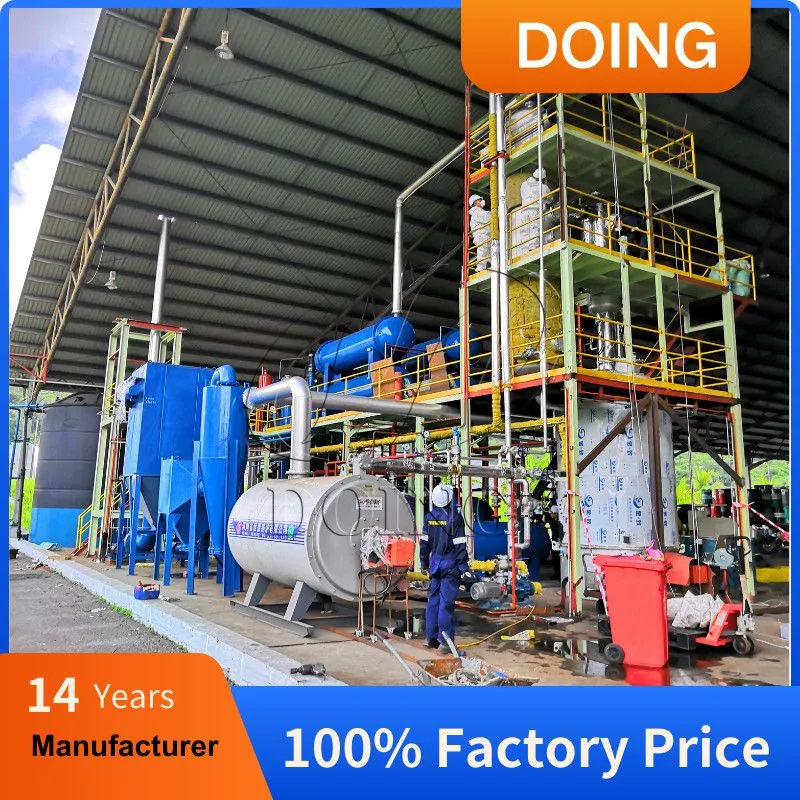
The oil yield from a waste oil distillation device varies depending on several factors, including the type of waste oil, the efficiency of the distillation process, and the quality of the initial waste material.
1. Used Engine Oil: Typically, distillation of used engine oil can yield around 70-80% of the original volume in the form of refined oil. The remaining material consists of impurities and solid residues.
2. Hydraulic Fluid: Yield rates for hydraulic fluids are similar, often ranging between 70-85%. The distillation process effectively removes water and other contaminants.
3. Gear Oil: Gear oils generally yield about 75-85% of refined oil. The distillation process is particularly effective in removing metal particles and other solid debris.
4. Coolant Fluids: The yield for coolant fluids is lower, typically around 50-60%, as these fluids often contain water and other additives that are not fully recoverable.
5. Industrial Process Oils: Yields for these oils can vary widely depending on their composition and usage. Generally, they can yield between 60-80% of refined oil.
Waste oil distillation devices offer a viable solution for recycling various types of waste oils, transforming them into reusable products with considerable oil yield. DOING GROUP designs two types of waste oil distillation device, one is the normal design waste oil distillation device using acid and alkali washingand the other one is the new design waste oil distillation device using patened catalysts and ceramic balls. If you want to improve the quality of waste oil, welcome to contact us for more details.
��Whatsapp us: 008613526692320
��E-mail: oilmachine@wastetireoil.com
http://www.wasteoiltodieseloil.com
Recently Posted
-
How to Vet a Pyrolysis Plant Manufacturer Before Buying: A 9-Point Verification Checklist
September 20, 2026The moment a deposit is about to change hands, the deciding factor is not which supplier has the slickest website but whether that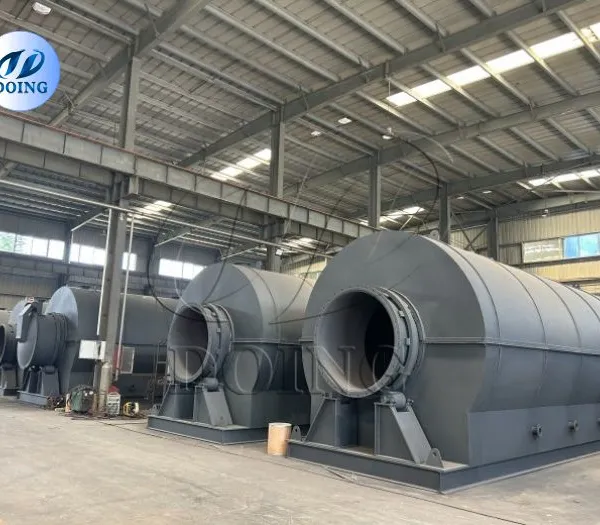 Read More
 -
Waste Tire Pyrolysis Machine Selection Guide: 10–15 TPD vs. 30–50 TPD
September 10, 2026Choosing the right waste tire pyrolysis machine starts with daily processing capacity, but capacity alone is not enough. Feed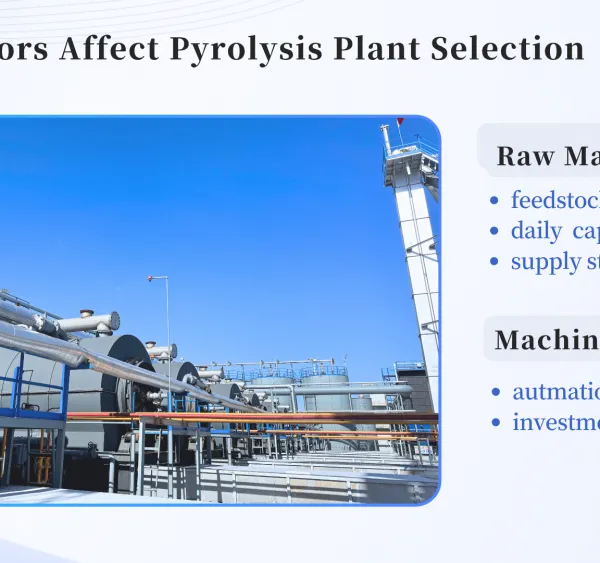 Read More
 -
Insights into Establishing a Tire Pyrolysis Production Line
August 27, 2026The waste tire pyrolysis industry is currently attracting a feverish interest, prompting many individuals to venture into this bur Read More
 -
How to Choosing the Right Material for Your Pyrolysis machine?
August 4, 2026The material used for a pyrolysis machine is a crucial factor in determining its performance, safety, and how long it will la Read More

Contact Us
Recommended Products
-
 Mini to Big Scale Waste Plastic Pyrolysis Machine Recycle Scrap Plastic to Fuel Oil Pyrolysis PlantUS$ 28000 - 98000MOQ: 1 Set
 -
Without Electricity Waste Tire Doubling and Tripling Machine Scrap Tyre Packing Unpacking MachineUS$ 2700 - 3000MOQ: 1 Set
-
BIG Processing Capacity Fully Automatic Waste Tire Plastic Pyrolysis Machine Waste Tyre Recycling PlantUS$ 300000 - 600000MOQ: 1 Set
-
DOING 2026 Waste Plastic to Diesel Recycling Plant Waste Plastic Pyrolysis Plant and Waste Oil Distillation MachineUS$ 38000 - 88000MOQ: 1 Set
-
Overall Services Waste Motor Engine Oil to Diesel Distillation Machine Waste Oil Distillation PlantUS$ 56000 - 105000MOQ: 1 Set
-
Latest Technology Waste Tire Plastic to Fuel Oil Pyrolysis Machine Continuous Plastic Pyrolysis Plant for SaleNegotiableMOQ: 1 Set
-
Fully Automatic Waste Tire Plastic Pyrolysis Plant Continuous Tyre To Fuel Oil Recycling PlantUS$ 300000 - 500000MOQ: 1 Set
-
Mini Scale Waste Tire Plastic Pyrolysis Machine Skid-mounted Tyre Plastic Recycling PlantUS$ 28000 - 58000MOQ: 1 Set
-
High Recover Rate Waste Oil/crude Oil/pyrolysis Oil to Diesel Distillation Machine for BusinessUS$ 56000 - 65000MOQ: 1 Set
-
Environmentally Friendly Waste Plastic to Fuel Oil Pyrolysis MachineUS$ 28000 - 98000MOQ: 1 Set
-
Large Capacity 50TPD Fully Automatic Continuous Waste Tire Plastic Pyrolysis Machine With CE CertificateUS$ 78000 - 208000MOQ: 1 Set
-
Advanced Technology Waste Engine Oil Recycling Diesel Oil Distillation Machine 80%-85% Diesel Rate Vertical Reactor Design PLCUS$ 56000 - 65000MOQ: 1 Set
-
DOING Company Environmental Friendly 100kg-50T/Day Waste Tyre to Fuel Oil Pyrolysis PlantUS$ 25000 - 500000MOQ: 1 Set
-
Very Popular With Our Customers Waste Oil Recycling to Diesel Distillation MachineUS$ 56000 - 65000MOQ: 1 Set
-
Sold to Spain High Quality and Environmental Protection Waste Tire Recycling to Oil MachineUS$ 20000 - 76000MOQ: 1 Set
-
Professional Manufacturer to Make Pyrolysis Equipment for Oil Recycling From Waste TiresUS$ 20000 - 76000MOQ: 1 Set
-
Factory Price Full Automatic 10-15 Tons PLC System Used Tire Rubber Pyrolysis Plant for Waste Plastic Recycling Fuel PlantUS$ 50000 - 70000MOQ: 1 Set
-
Fully Automatic Tire to Fuel Plant Plastic Recycling Pyrolysis to Fuel Machine Rubber Pyrolysis MachineryUS$ 50000 - 70000MOQ: 1 Set
-
Newly Technology Used Tyre to to Fuel Oil Machine Waste Plastic Continuous Pyrolysis PlantUS$ 50000 - 70000MOQ: 1 Set
-
Waste Plastic to Fuel Oil Pyrolysis Machine, Waste Plastic Recycling Pyrolysis Plant, Customized Pyrolysis PlantUS$ 20000 - 30000MOQ: 1 Set