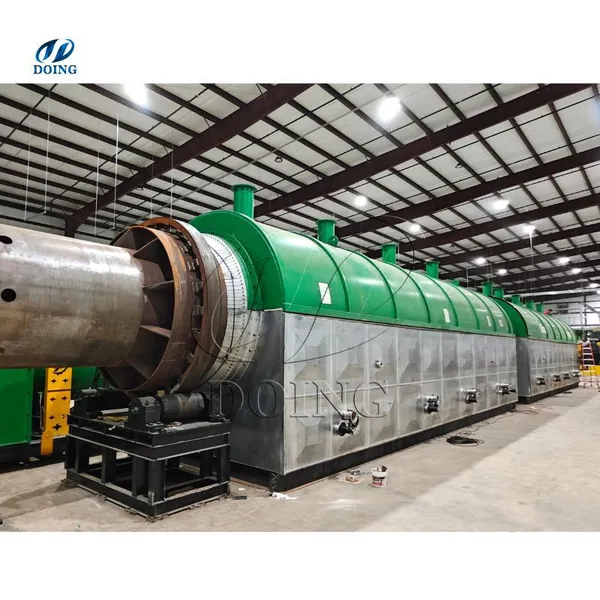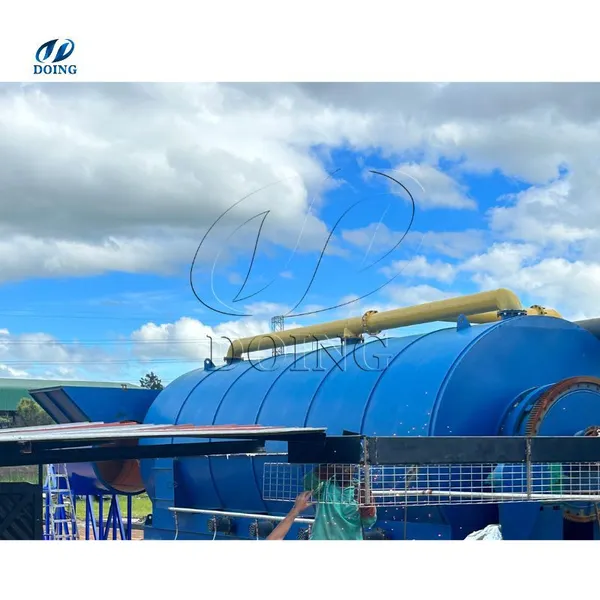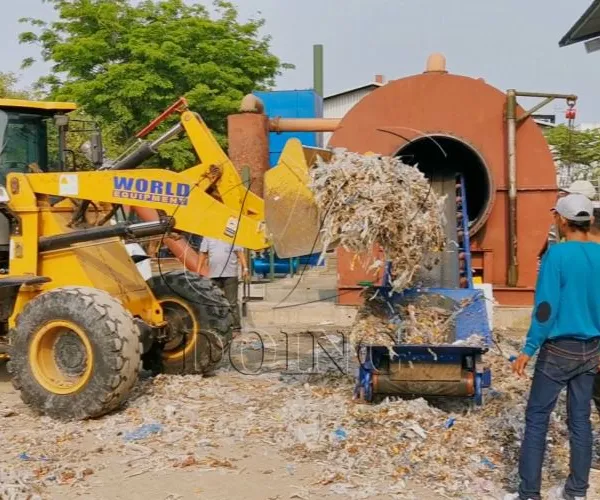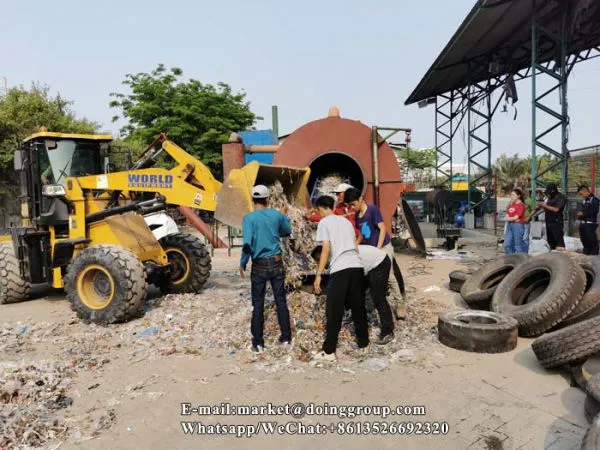
 Business License

Types of Oil Sludge Processed by Pyrolysis Equipment
Oil sludge represents a tough waste product that creates major environmental and practical issues for sectors including oil and gas, refining, and site cleanup. Effective handling of oil sludge is essential for meeting regulatory standards, reclaiming useful materials, and lowering expenses.
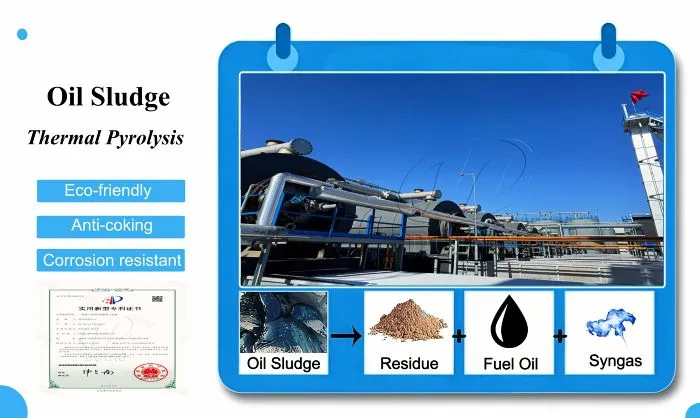
Oil sludge pyrolysis equipment
The Mechanism of Pyrolysis
pyrolysis equipments function by breaking down organic components through elevated heat in an oxygen-limited setting, yielding gas (syngas), liquid (fuel oil), and solid (carbon black) outputs. The key process relies on thermal energy to break molecular bonds in organics, transforming complex structures into simpler ones. It features accurate temperature management to achieve thorough separation with reduced energy use and minimal secondary emissions.
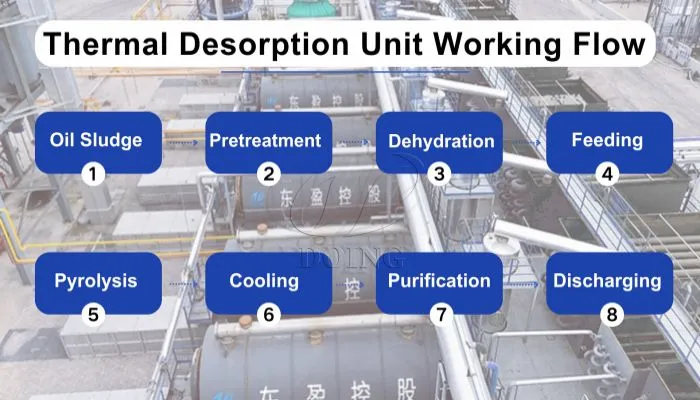
Oil sludge pyrolysis equipment working flow
DOING Company focuses on pyrolysis equipments that supply practical and green methods for managing different oil sludge forms. Here are the primary categories of oil sludge that pyrolysis equipments can process:
1 Tank Bottom Sludge (TBW – Tank Bottom Waste)
Source: Builds up at the base of crude oil storage tanks.
Makeup: Blend of dense hydrocarbons, sand, water, and rust debris.
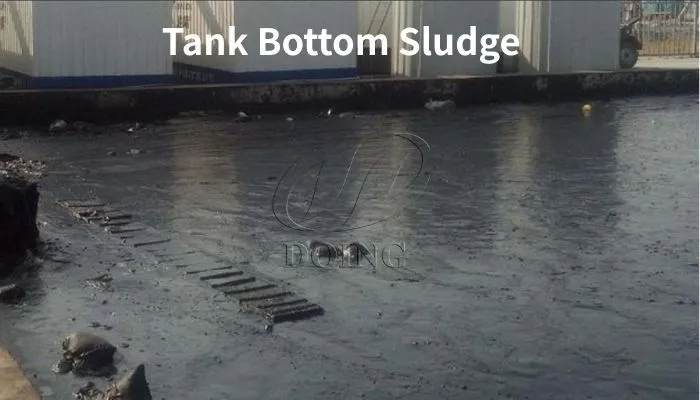
Tank bottom sludge
2 Oilfield Sludge (Drilling Waste)
Source: Produced in drilling, completion, and maintenance activities.
Makeup: Drilling fluids, cuttings, and leftover crude oil.
3 Refinery Waste Sludge
Source: Result of refining operations, particularly from settling ponds, API separators, and dissolved air flotation systems.
Makeup: Oil emulsions, solid particles in suspension, and minor chemical traces.
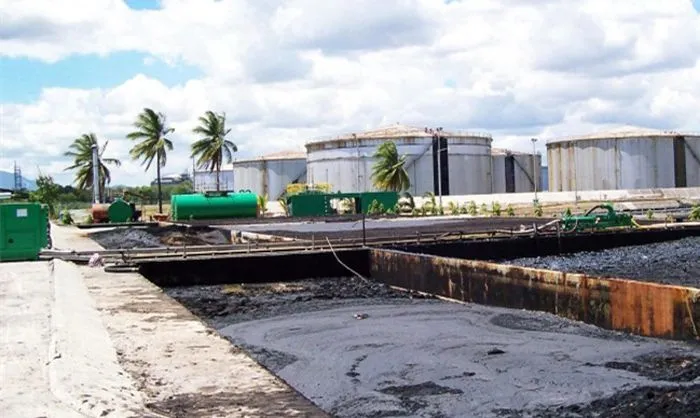
Refinery waste sludge
4 Oil Spill Contaminated Soil
Source: Ground affected by pipeline leaks, tank failures, or unintended releases.
Makeup: Soil infused with hydrocarbons at different oil levels.
5 Used Oil Filters and Absorbents
Source: From machinery upkeep and oil spill response.
Makeup: Materials saturated with oil, like filters, cloths, and absorbent sheets.
6 Ship Bilge Sludge
Source: Sludge gathered from ship compartments, often rich in oil.
Makeup: Combination of oily water and sludge.
DOING Company's Pyrolysis Technology
The pyrolysis equipment from DOING Company goes beyond simple waste processing; it serves as an all-in-one resource extraction setup. Notable features encompass:
Strong Financial Returns: Oil sludge yields pyrolysis oil that can fuel heating in facilities like cement factories and steel plants. It may also feed into waste oil processing to generate diesel, with options for direct market sales of the oil.
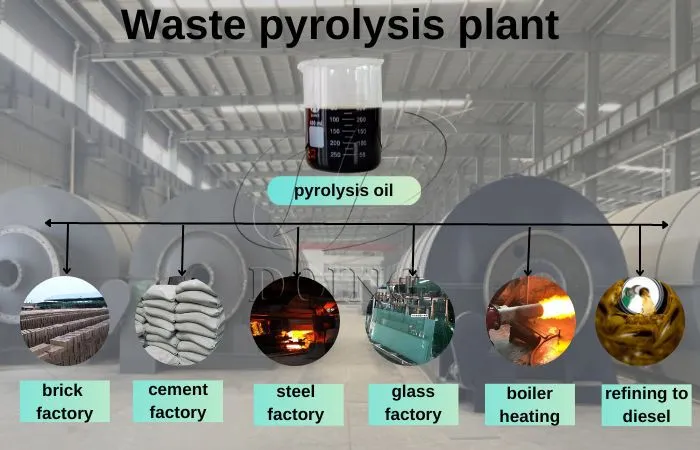
Applications of oil sludge pyrolysis oil
Ecological Benefits: DOING's pyrolysis equipment follows zero-emission guidelines. Fully enclosed with full-spectrum pollution controls, it processes all exhaust to align with strict environmental norms.
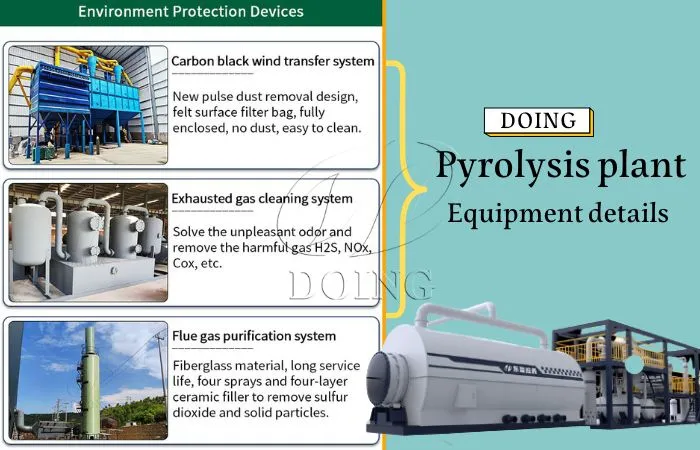
DOING oil sludge pyrolysis equipment environment protection devices
Energy Independence: Non-condensable syngas from the process can loop back to power the machine, cutting reliance on outside energy and operational expenses.
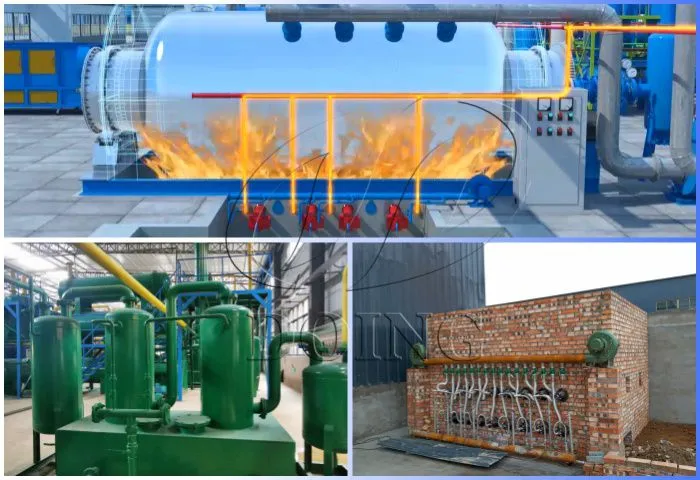
DOING oil sludge pyrolysis equipment syngas recycling devices
Security and Durability: Includes various safety mechanisms and uses premium materials for steady, ongoing, and secure performance.
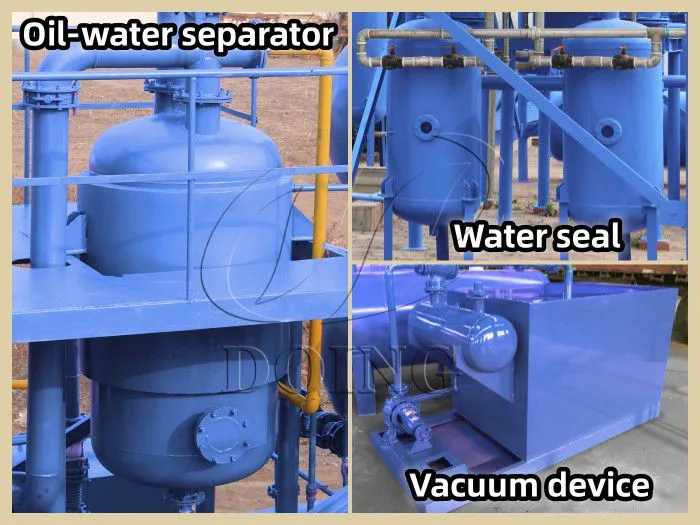
DOING oil sludge pyrolysis equipment safety devices
Adaptability: One pyrolysis equipment can manage multiple oil sludge types, offering a versatile, unified option for waste handling.
Tailoring: DOING customizes pyrolysis equipments based on sludge properties and user specifications. For instance, with high-sulfur, corrosive oil sludge, stainless steel is typically advised. For sludge that tends to coke or stick, the reactor includes specialized anti-coking designs.
Pyrolysis equipments deliver a full-spectrum approach to oil sludge management. They merge environmental care with efficiency, reclaiming key resources and limiting waste. DOING Company’s pyrolysis equipments are built to address various oil sludge categories, offering dependable processing for global users.
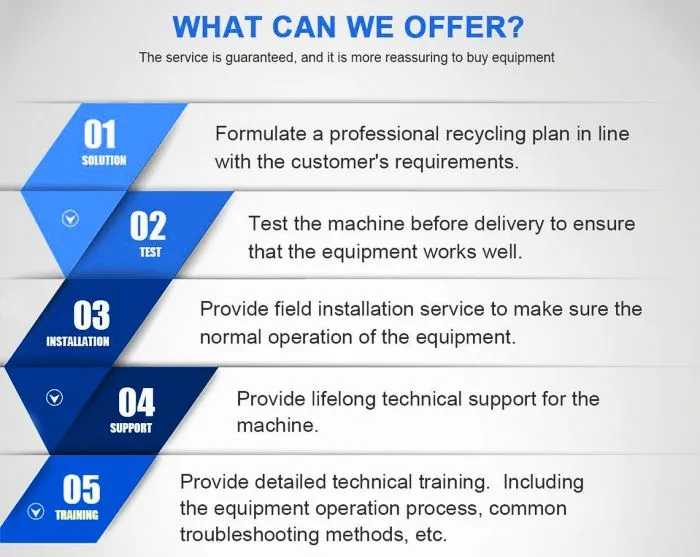
DOING oil sludge pyrolysis equipment manufacturer
Should you face any of these oil sludge types and need a solid, productive, regulation-compliant handling method, reach out to DOING Company. Our technical staff can supply a customized setup matching your volume and result needs.
Recently Posted
-
Waste Tire Pyrolysis Machine Selection Guide: 10–15 TPD vs. 30–50 TPD
September 10, 2026Choosing the right waste tire pyrolysis machine starts with daily processing capacity, but capacity alone is not enough. Feed Read More
 -
Insights into Establishing a Tire Pyrolysis Production Line
August 27, 2026The waste tire pyrolysis industry is currently attracting a feverish interest, prompting many individuals to venture into this bur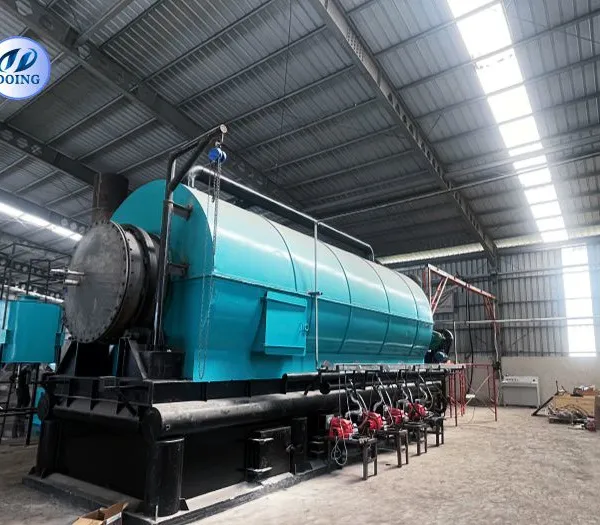 Read More
 -
How to Choosing the Right Material for Your Pyrolysis machine?
August 4, 2026The material used for a pyrolysis machine is a crucial factor in determining its performance, safety, and how long it will la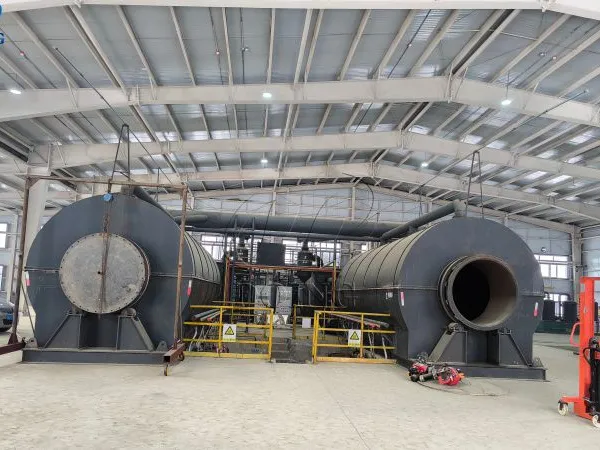 Read More
 -
How Does a Waste Oil Refinery Operate and What Are Its Benefits?
July 28, 2026Waste oil refinery is pivotal in recycling and distillation waste oil. They can convert waste oil, crude oil, and e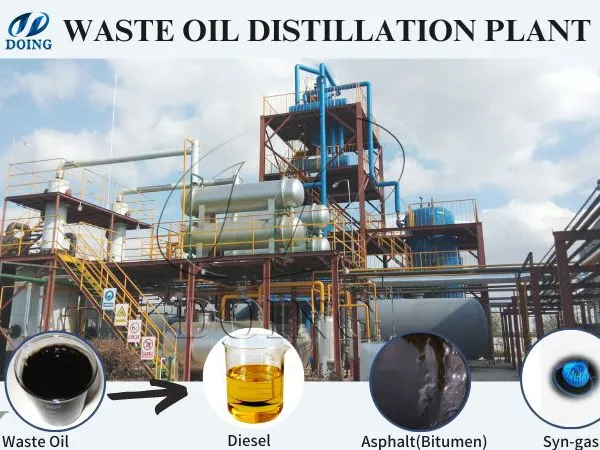 Read More

Contact Us
Recommended Products
-
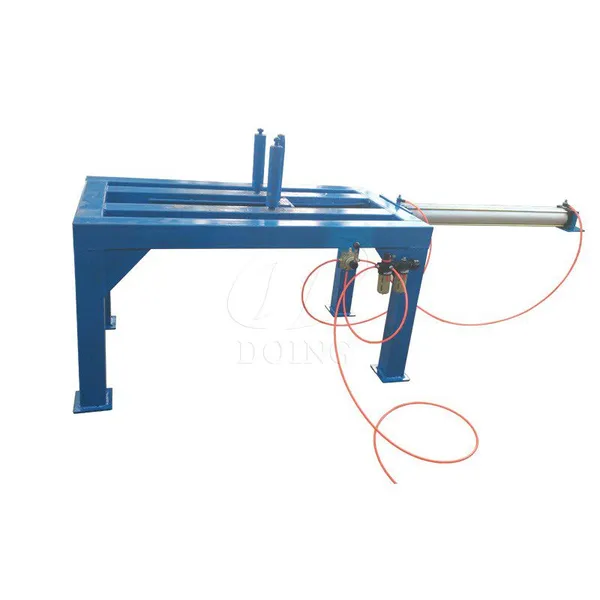
 Without Electricity Waste Tire Doubling and Tripling Machine Scrap Tyre Packing Unpacking MachineUS$ 2700 - 3000MOQ: 1 Set
 -
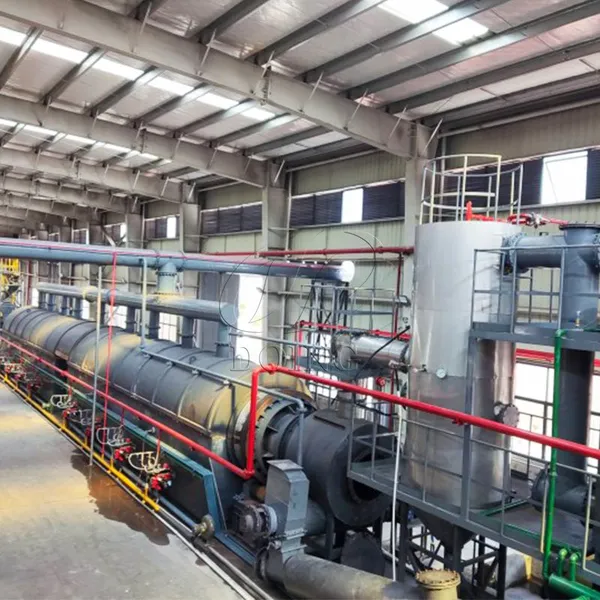
BIG Processing Capacity Fully Automatic Waste Tire Plastic Pyrolysis Machine Waste Tyre Recycling PlantUS$ 300000 - 600000MOQ: 1 Set
-
DOING 2026 Waste Plastic to Diesel Recycling Plant Waste Plastic Pyrolysis Plant and Waste Oil Distillation MachineUS$ 38000 - 88000MOQ: 1 Set
-
Overall Services Waste Motor Engine Oil to Diesel Distillation Machine Waste Oil Distillation PlantUS$ 56000 - 105000MOQ: 1 Set
-
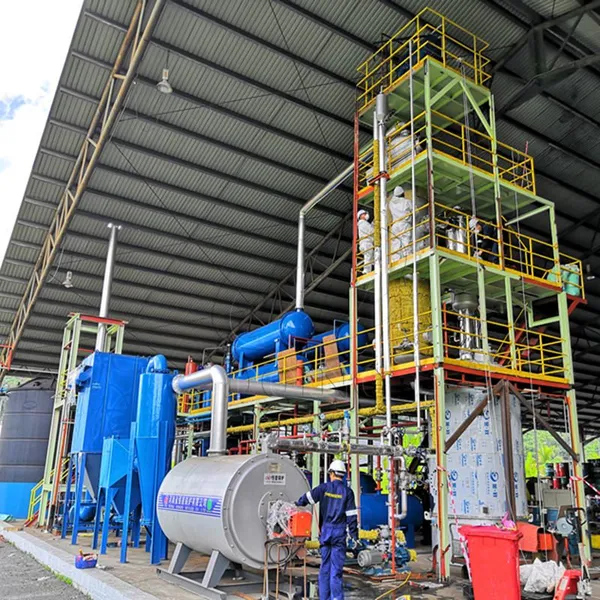
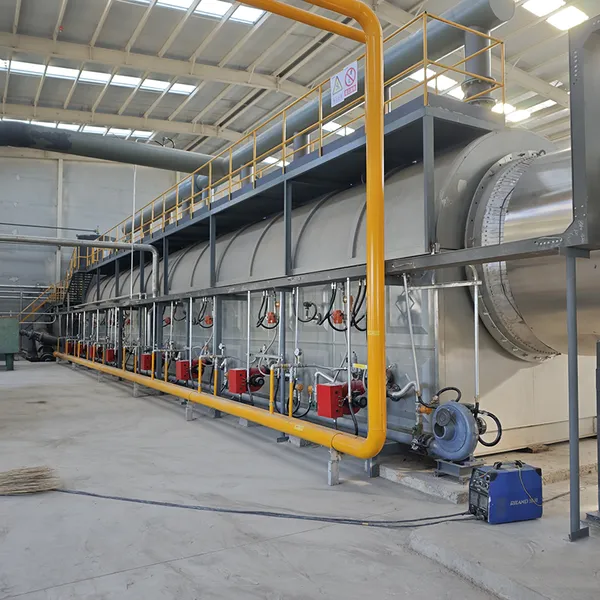
Latest Technology Waste Tire Plastic to Fuel Oil Pyrolysis Machine Continuous Plastic Pyrolysis Plant for SaleNegotiableMOQ: 1 Set
-
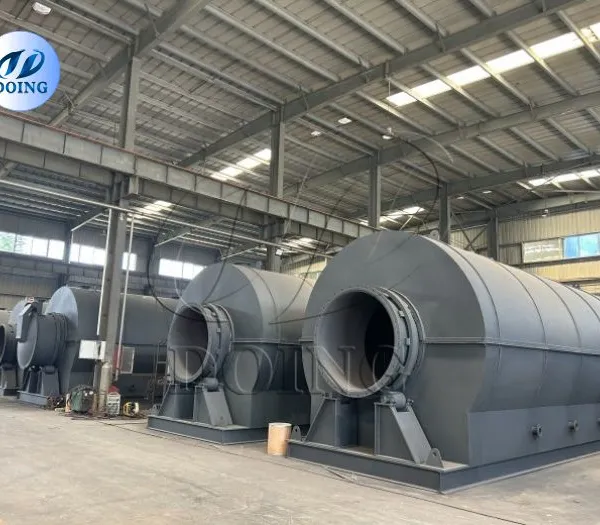
Fully Automatic Waste Tire Plastic Pyrolysis Plant Continuous Tyre To Fuel Oil Recycling PlantUS$ 300000 - 500000MOQ: 1 Set
-
Mini Scale Waste Tire Plastic Pyrolysis Machine Skid-mounted Tyre Plastic Recycling PlantUS$ 28000 - 58000MOQ: 1 Set
-
High Recover Rate Waste Oil/crude Oil/pyrolysis Oil to Diesel Distillation Machine for BusinessUS$ 56000 - 65000MOQ: 1 Set
-
Environmentally Friendly Waste Plastic to Fuel Oil Pyrolysis MachineUS$ 28000 - 98000MOQ: 1 Set
-
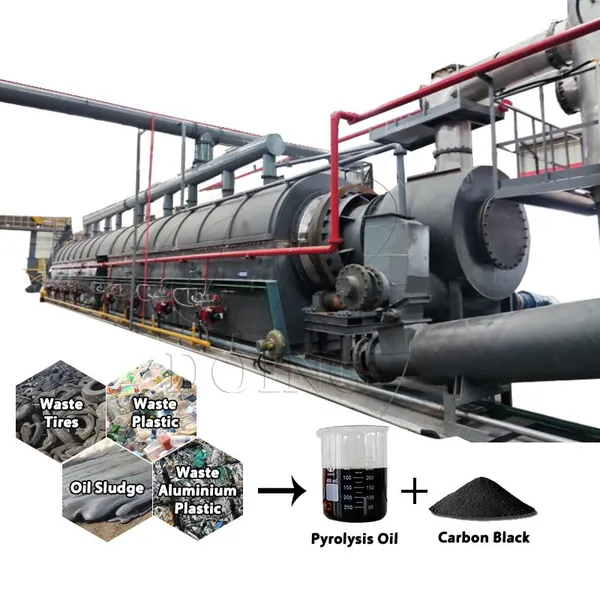
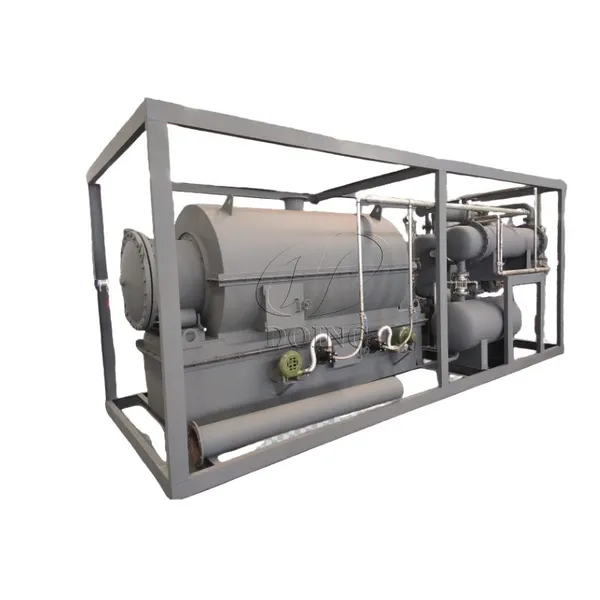
Large Capacity 50TPD Fully Automatic Continuous Waste Tire Plastic Pyrolysis Machine With CE CertificateUS$ 78000 - 208000MOQ: 1 Set
-
Advanced Technology Waste Engine Oil Recycling Diesel Oil Distillation Machine 80%-85% Diesel Rate Vertical Reactor Design PLCUS$ 56000 - 65000MOQ: 1 Set
-
DOING Company Environmental Friendly 100kg-50T/Day Waste Tyre to Fuel Oil Pyrolysis PlantUS$ 25000 - 500000MOQ: 1 Set
-
Very Popular With Our Customers Waste Oil Recycling to Diesel Distillation MachineUS$ 56000 - 65000MOQ: 1 Set
-
Sold to Spain High Quality and Environmental Protection Waste Tire Recycling to Oil MachineUS$ 20000 - 76000MOQ: 1 Set
-
Professional Manufacturer to Make Pyrolysis Equipment for Oil Recycling From Waste TiresUS$ 20000 - 76000MOQ: 1 Set
-
Factory Price Full Automatic 10-15 Tons PLC System Used Tire Rubber Pyrolysis Plant for Waste Plastic Recycling Fuel PlantUS$ 50000 - 70000MOQ: 1 Set
-
Fully Automatic Tire to Fuel Plant Plastic Recycling Pyrolysis to Fuel Machine Rubber Pyrolysis MachineryUS$ 50000 - 70000MOQ: 1 Set
-
Newly Technology Used Tyre to to Fuel Oil Machine Waste Plastic Continuous Pyrolysis PlantUS$ 50000 - 70000MOQ: 1 Set
-
Waste Plastic to Fuel Oil Pyrolysis Machine, Waste Plastic Recycling Pyrolysis Plant, Customized Pyrolysis PlantUS$ 20000 - 30000MOQ: 1 Set
-
EU Certified 50ton Per Day Waste Tire and Plastic Pyrolysis Plant Oil Pyrolysis Machine for Rubber ProcessingUS$ 50000 - 70000MOQ: 1 Set